One of the oldest principles in marketing is simple: Jo Dikhta Hai Woh Bikta Hai - what is visible gets noticed.
Unfortunately, this exact same principle quietly dictates how many organizations operate. What is visible gets appreciated. What is appreciated gets rewarded. And what gets rewarded gets repeated. This creates a powerful, often overlooked flaw in corporate life: the Visibility Bias. In theory, organizations reward performance. In practice, they frequently reward visibility.
The Two Contributors
Look closely at any workplace, and you will find two distinct types of contributors:
- The Silent Builders: These are the people who think ahead, anticipate bottlenecks, build systems, and quietly deliver results. They rarely seek the spotlight. They don’t dominate meetings or send 11:00 PM emails to prove their commitment. Their work often goes entirely unnoticed precisely because nothing goes wrong.
- The Visible Heroes: These individuals appear when a crisis erupts. They lead the emergency war-room meetings, coordinate escalations, present urgent updates to senior management, and drive the firefighting efforts. Their work is highly visible because everyone can see the burning problem they are actively solving.
The irony? Many of those crises would never have occurred if leadership had listened to the Silent Builders in the first place. Yet, when appraisal season arrives, the Hero almost always receives more recognition than the Builder.
The Firefighting Paradox
Why does the firefighter win the promotion over the planner? Because heroics are visible, and prevention is invisible.
A manager can easily point to the person who stayed late to fix a critical bug. It is nearly impossible to point to the person who quietly wrote clean code that prevented ten bugs from ever existing.
When an organization consistently falls into this trap, it unintentionally creates an incentive structure for firefighting. Employees quickly learn that solving a disaster attracts far more executive attention than preventing one. Visibility stops being a byproduct of good work and becomes a calculated career strategy.
Enter the "Well-Digging Theatre"
Over time, a peculiar and toxic culture emerges. People begin spending more energy demonstrating effort than creating actual outcomes.
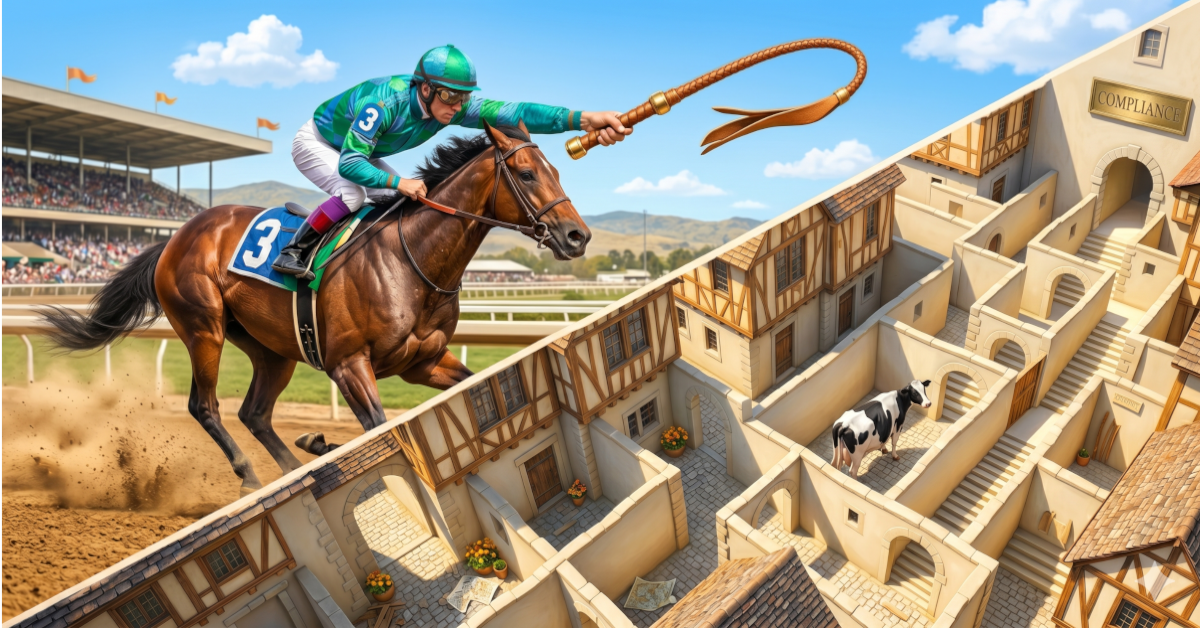
As the Management By Danda framework describes, this devolves into "Well-Digging Theatre." The primary objective shifts from actually finding water to making sure everyone in management sees how hard you are swinging the shovel.
- Meetings become performance stages.
- PowerPoint decks become heavy, 50-slide evidence of "hard work."
- Late-night emails become performative symbols of dedication.
Visibility becomes a proxy for value. And because senior leaders naturally spend more time with those who present, escalate, and report to them directly, the quiet performer operating in the background slowly fades from their field of vision.
The Risk of Rewarding Optics
When promotions and bonuses are driven by visibility, organizations gradually elevate people who are highly skilled at managing perception rather than creating value. Presentation skills begin to outweigh problem-solving skills. Activity receives more applause than effectiveness. Optics defeat outcomes.
The result is a company that looks incredibly busy on the surface but fundamentally struggles to build sustainable, long-term capability.
How Great Leaders Break the Bias
Great leaders recognize this trap and actively work to dismantle it.
They deliberately search the background for the silent contributors. They ask who built the process, not just who presented the final slide. They reward the quiet prevention of a problem alongside the loud recovery from one. They recognize the person who ensured the project’s success long before the Hero even entered the conference room.
Heroics will always have a place in business. Every organization occasionally needs people who can step up and lead during a genuine crisis. But mature organizations and exceptional leaders understand a simple truth:
The best firefighter is often the person who designed the building so it never catches fire.
In the long run, great companies are not built by the people who shine in every emergency. They are built by the people who quietly ensure those emergencies never happen in the first place.