A Leadership Lesson from King Arthur
Modern organizations invest heavily in culture-building initiatives, leadership programs, and employee engagement efforts. Yet one of the most powerful lessons on organizational culture comes from a legend that is more than a thousand years old.
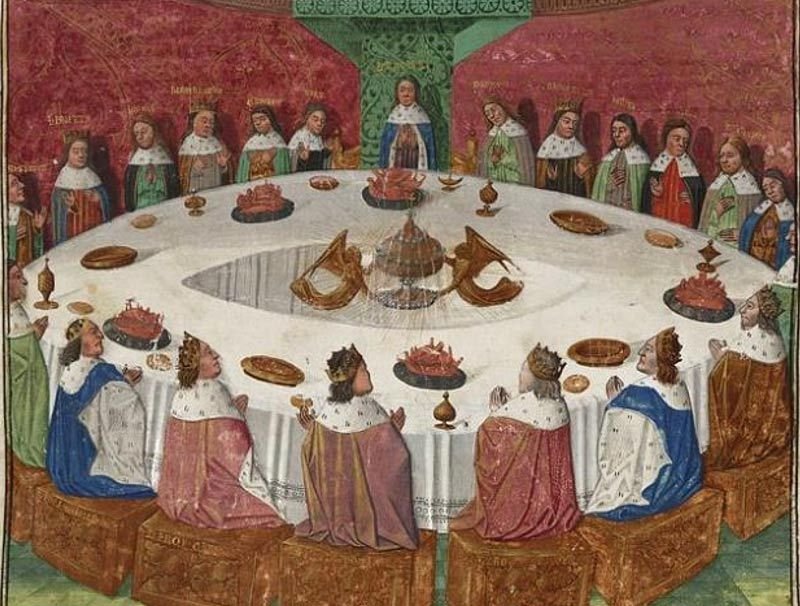
According to Arthurian legend, King Arthur gathered his knights around a Round Table. Unlike traditional royal courts, the table had no head position. No seat was more important than another. The symbolism was powerful: every knight seated at the table was respected, heard, and equally responsible for the kingdom’s future.
The corporate world can learn a great deal from this simple idea.
Most meeting rooms today are built around rectangular tables with a clearly defined head position. Even before a discussion begins, the room communicates hierarchy. The senior-most leader occupies the most prominent seat, and everyone else instinctively adjusts their behavior accordingly.
Organizations often encourage employees to speak up, challenge assumptions, and contribute ideas. Yet in many meetings, once the most senior person expresses an opinion, the discussion begins to narrow. Agreement becomes easier than disagreement. Silence becomes safer than challenge.
The issue is not hierarchy itself. Every organization needs leaders and decision-makers. The issue arises when hierarchy prevents leaders from benefiting from the collective intelligence around the table.
One of the themes explored in Management by Danda is that organizations frequently mistake alignment for agreement. Employees may nod in meetings while privately holding valuable insights, concerns, or alternative ideas. The result is often poorer decisions disguised as consensus.
The Round Table offers a different principle. It does not suggest that everyone has equal authority, but it does suggest that every perspective deserves equal consideration before a decision is made.
Organizations do not become inclusive by buying round tables. They become inclusive when leaders genuinely listen to the people they invite to the discussion.
Because the true spirit of the Round Table is simple:
If someone is given a seat at the table, they should also be given a voice.